I’m Trying to Build an Ethical & Sustainable Gym Wardrobe. Where Do I Start? A Q&A.
“Sustainable.” “Eco-friendly.” “Conscious.” In the world of fashion, these terms are everywhere, but what do they actually mean?
It can feel like a minefield. You want to make better choices for the planet, but it’s hard to know where to start. What’s “greenwashing” and what’s a genuine commitment? And does making an ethical choice always mean spending a fortune?
As a brand founded by parents, we are committed to building a better, more sustainable future. We believe that starts with being transparent. So, let’s demystify things with a simple Q&A.
Q1: What does “sustainable activewear” even mean?
It’s not just one thing. It’s a combination of what it’s made of (the materials) and how it’s made (the manufacturing process). A truly sustainable approach looks at the entire lifecycle of a garment, from the raw material to the factory it’s made in, and even the packaging it arrives in.
Q2: What materials should I look for?
This is the easiest place to start making a difference. When you’re checking the label, here are two materials to look for:
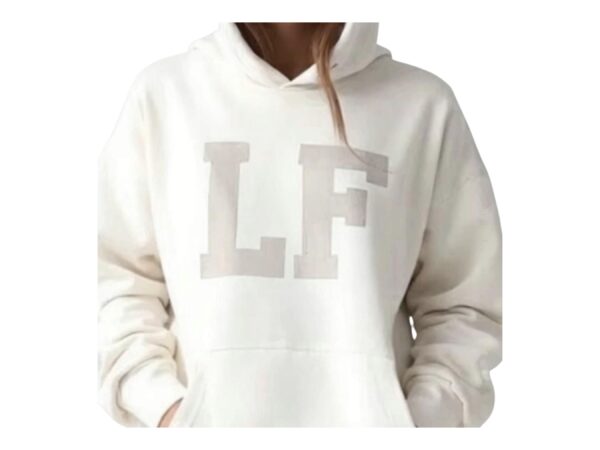
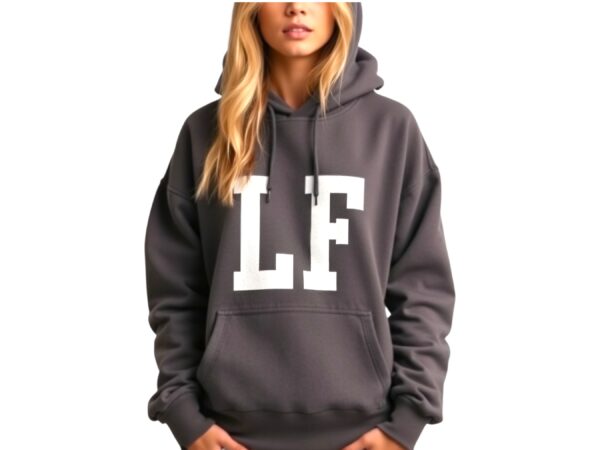
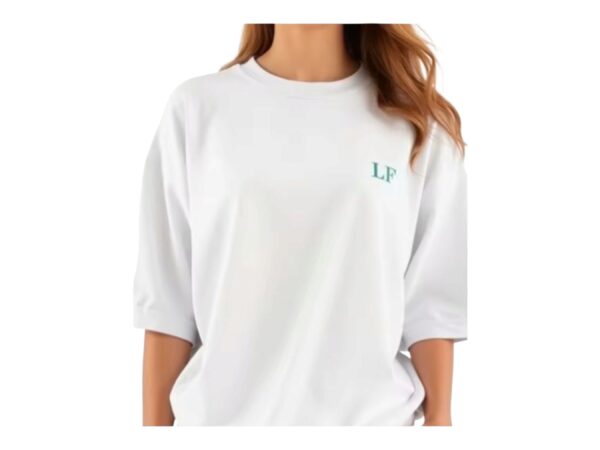
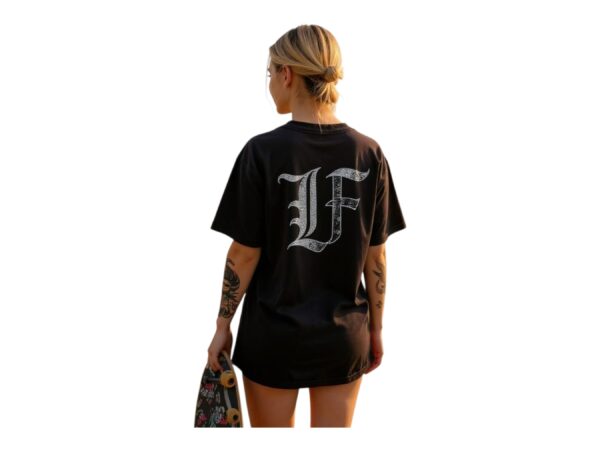
Organic Cotton: Unlike conventional cotton, this is grown without synthetic pesticides or fertilisers. This is better for the soil, uses less water, and reduces pollution in our waterways. It’s a soft, breathable, and natural choice, which is why we use it for our classic(https://www.google.com/search?q=https://lfclothing.co.uk/collections/t-shirts) and cosy Hoodies—perfect for comfort and all-day wear.
Recycled Polyester: Your performance Leggings need to be durable and moisture-wicking. Recycled polyester provides this, but with a huge environmental bonus. It’s made from post-consumer waste (like plastic bottles), which diverts rubbish from landfills and reduces our reliance on new petrochemicals.
Q3: Does it stop at materials? What about the manufacturing process?
Absolutely not. A sustainable fabric made in an unethical way isn’t a sustainable product. This is where a brand’s true commitments show. For example, we also focus on:
Low-Impact Dyes: We use non-toxic dyes that minimise water pollution during the colouring process.
Ethical Manufacturing: We partner with factories that prioritise fair labour practices and safe working conditions for their employees.
Q4: But isn’t sustainable activewear really expensive?
This is the big one. And it’s true, some sustainable brands come with a very high price tag. We believe this is where “affordable quality” becomes a part of sustainability.
A truly sustainable item is one you can wear, wash, and love for years. We are “obsessed with value”. We focus on crafting durable, high-quality pieces, but we keep costs down by making smart choices—like skipping elaborate packaging and passing those savings directly to you.
Choosing a sustainable option shouldn’t be a luxury. It should be an accessible choice for everyone who, like us, believes in exceptional comfort and style.
Q5: How can I start without replacing my whole wardrobe?
Don’t! The most sustainable wardrobe is the one you already own. It’s not about throwing everything out and starting again. It’s about being more mindful with your next purchase.
When your old pair of leggings finally gives up, or you need a new top, take a moment to look at what you’re buying. Start small. A single t-shirt or a pair of leggings is a brilliant first step.
Building an ethical wardrobe isn’t a race; it’s a journey. We’re proud to be on it with you, offering a collection that is not only good for your workout, but a little bit better for the world, too.
Explore our full range in the the Lf Clothing Shop
Leggings
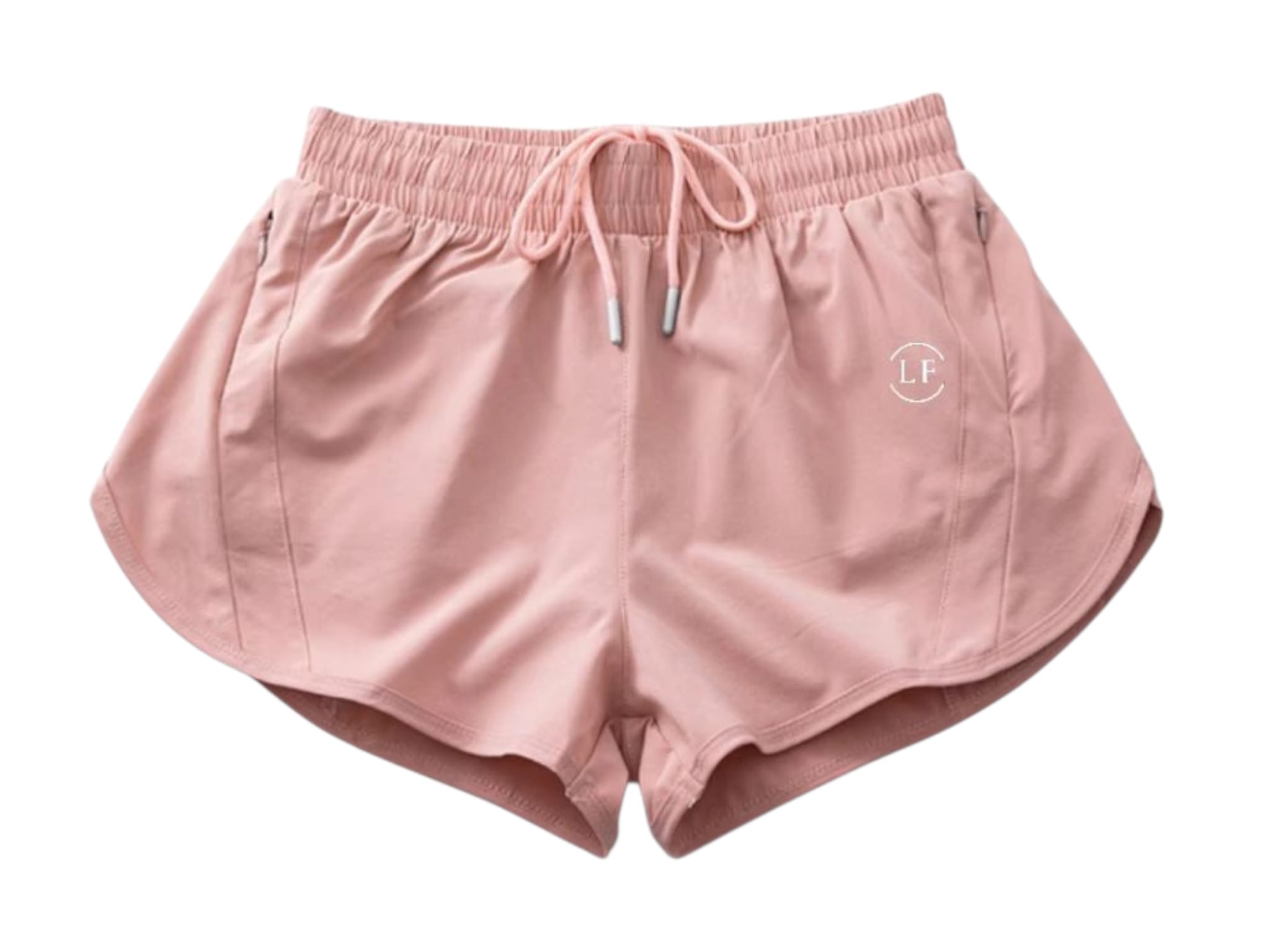
Shorts
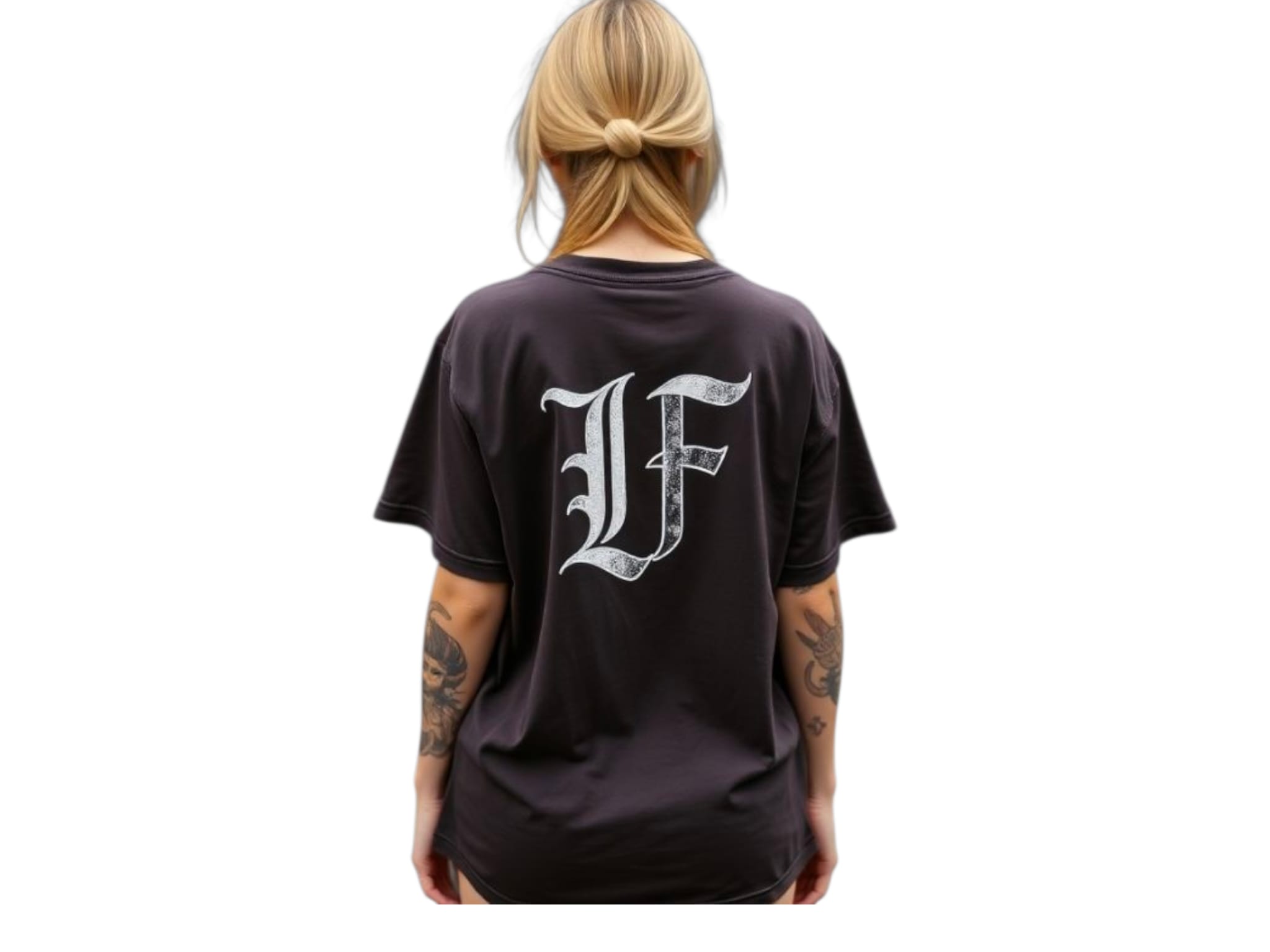
Oversized T-Shirts
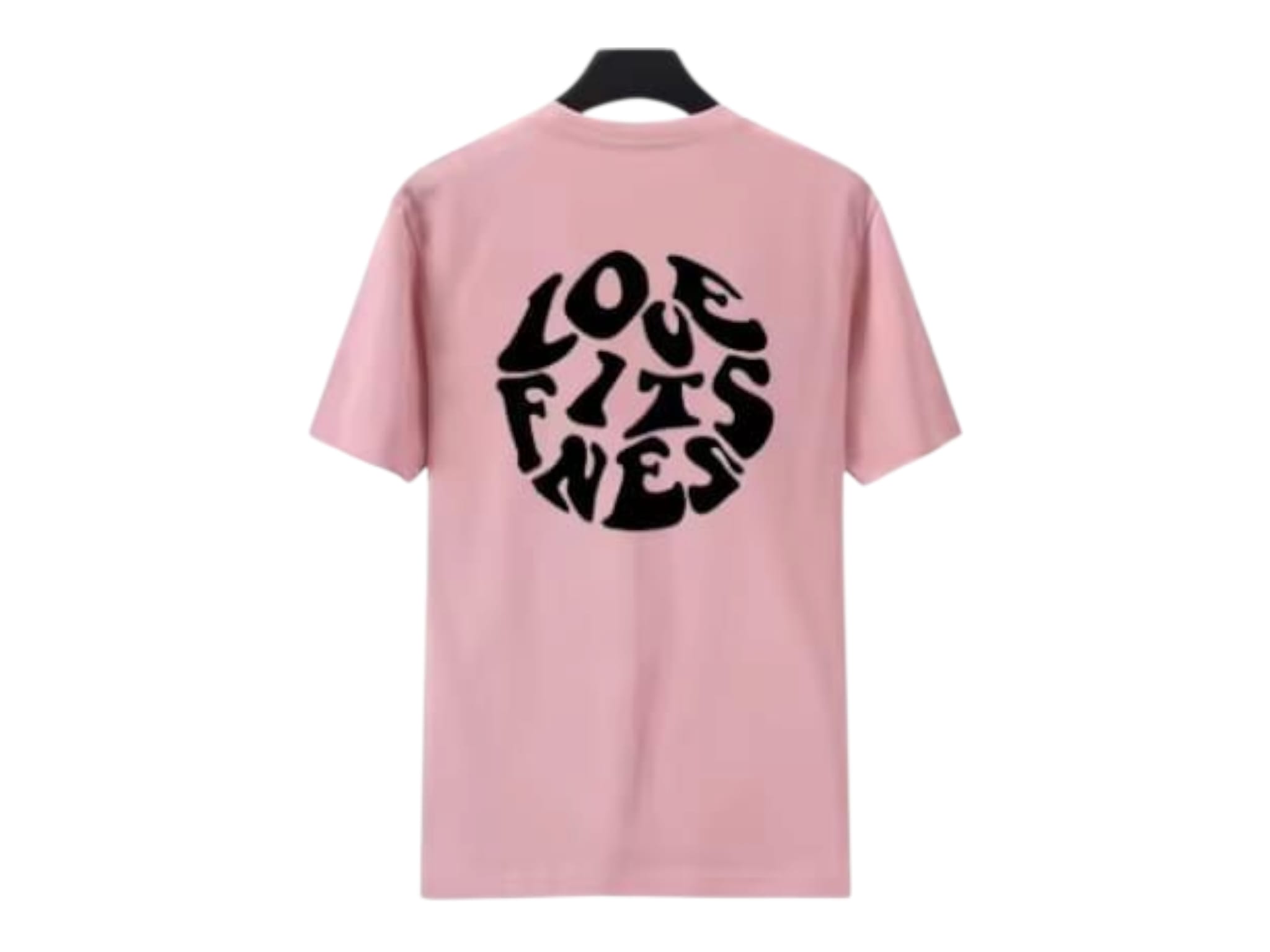
T-Shirts
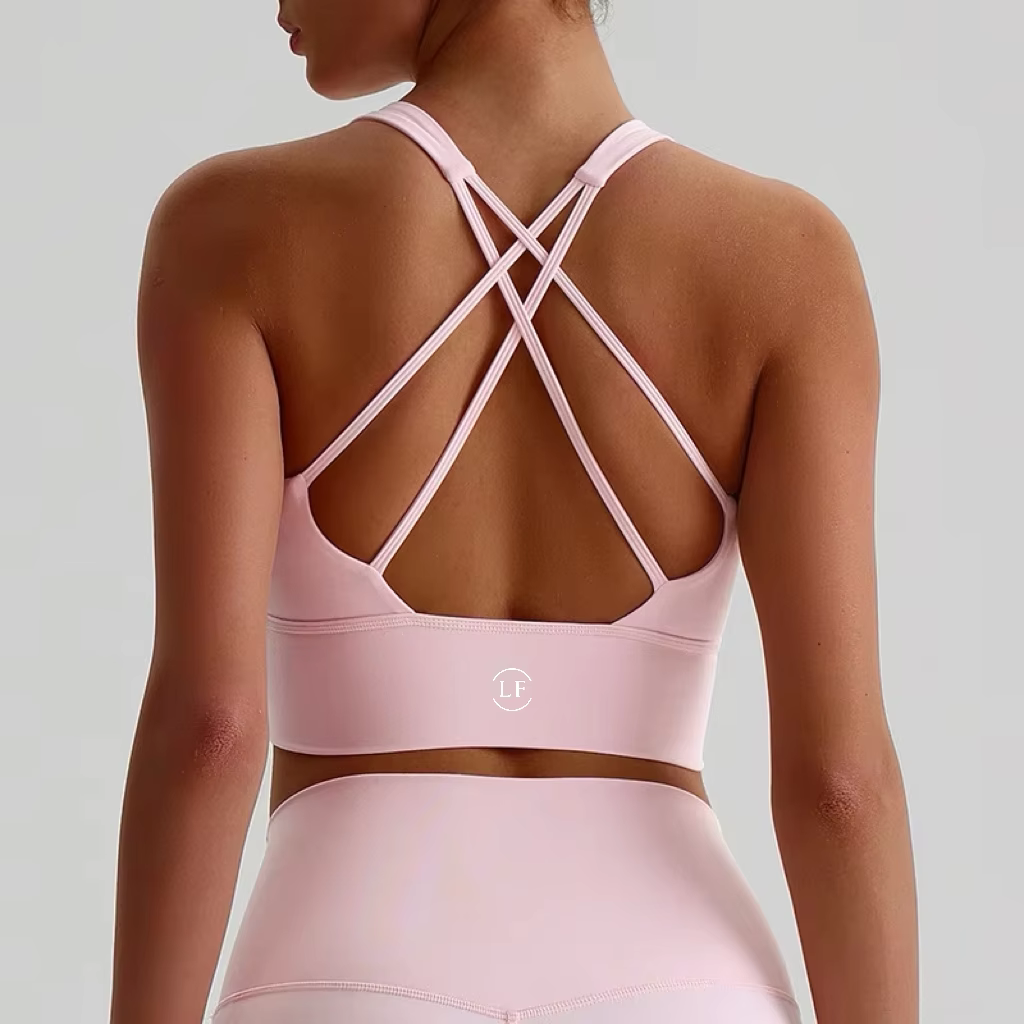
Tops
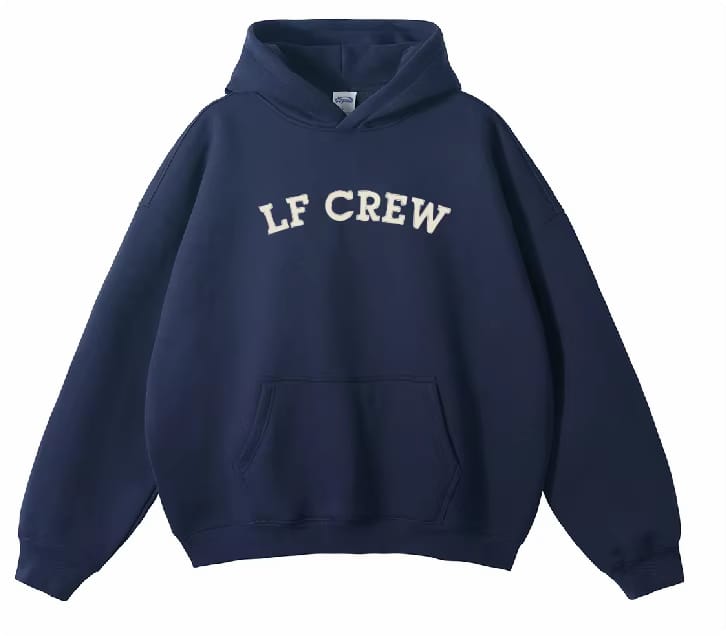
Hoodies
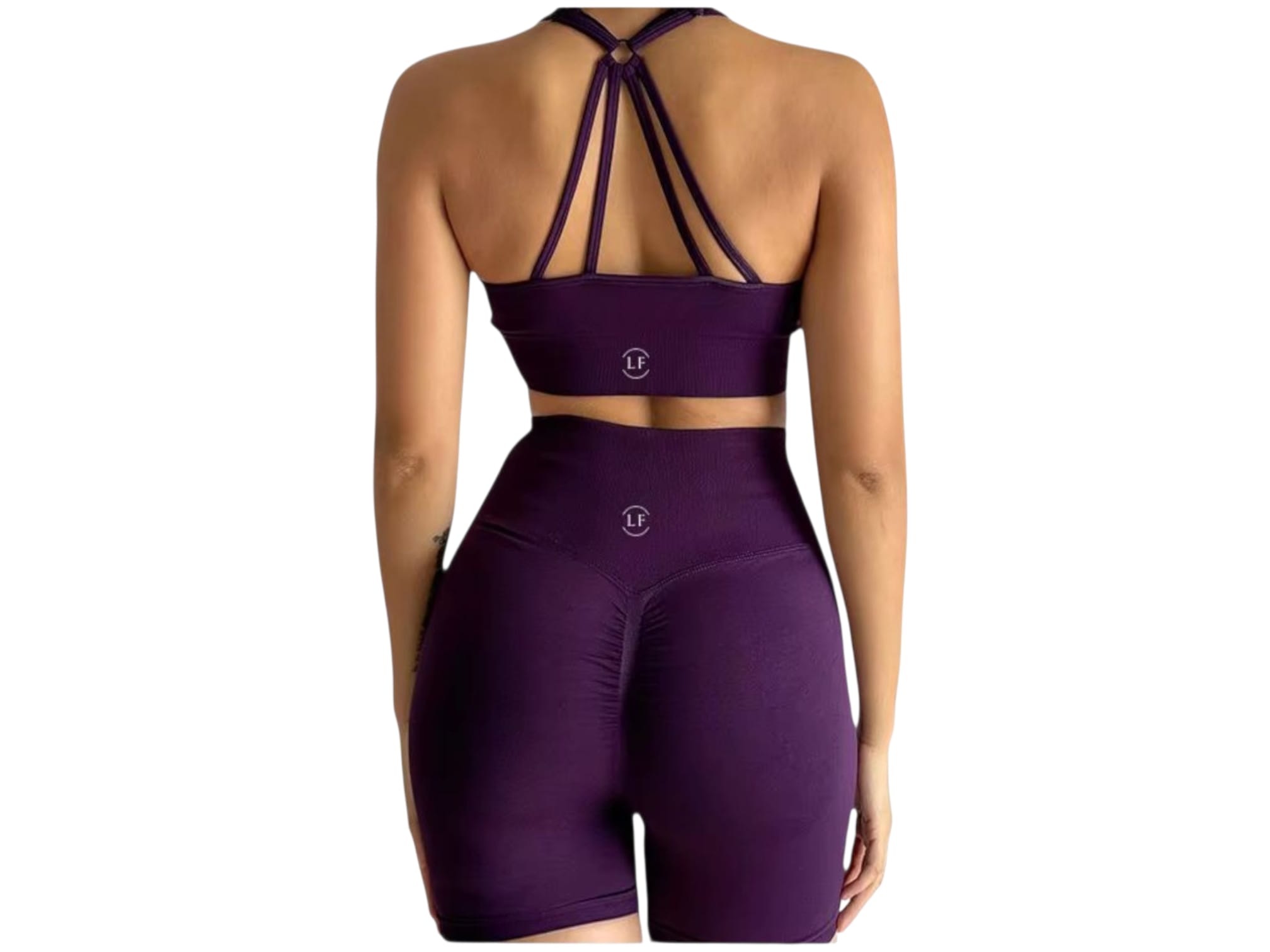
Gym Sets
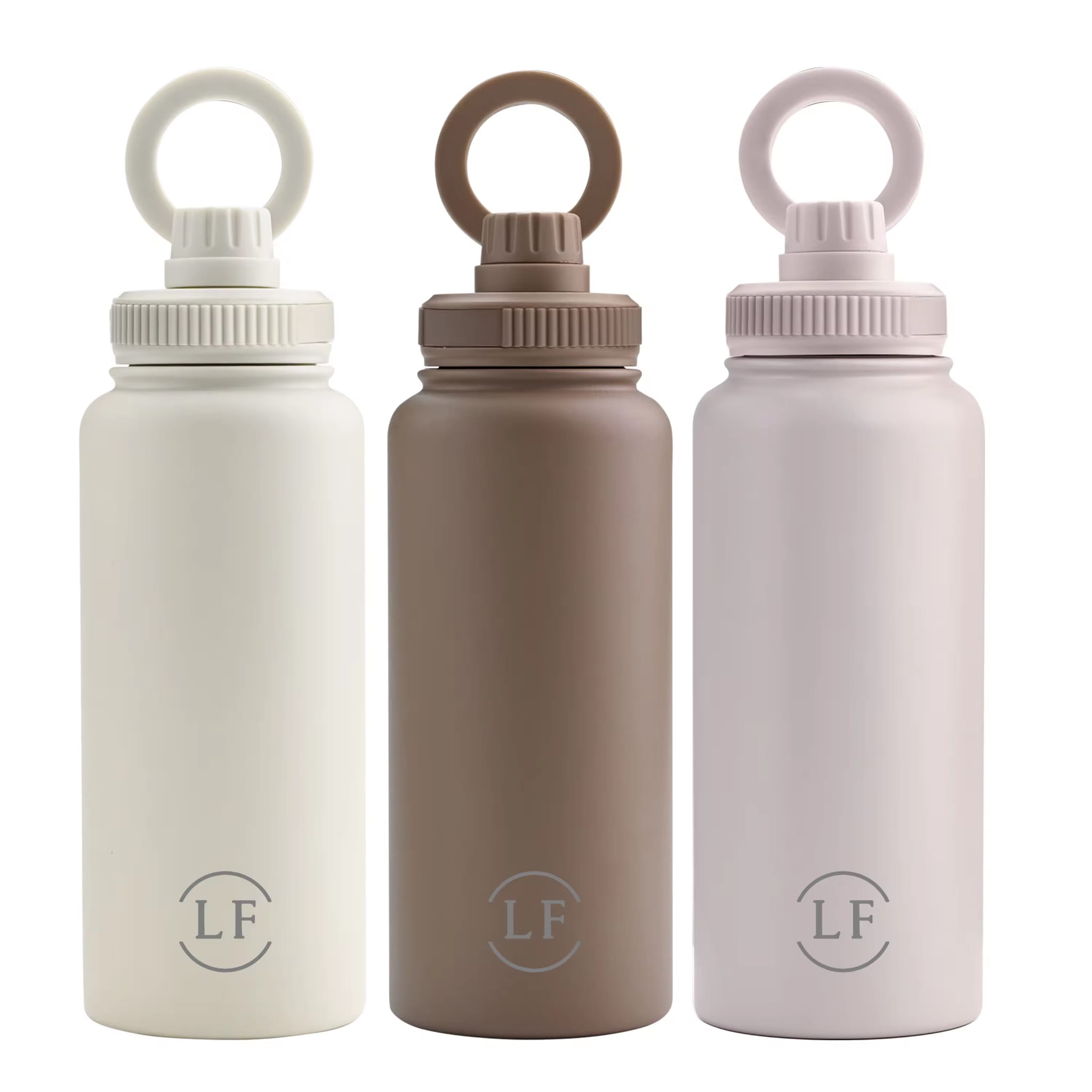
Accessories
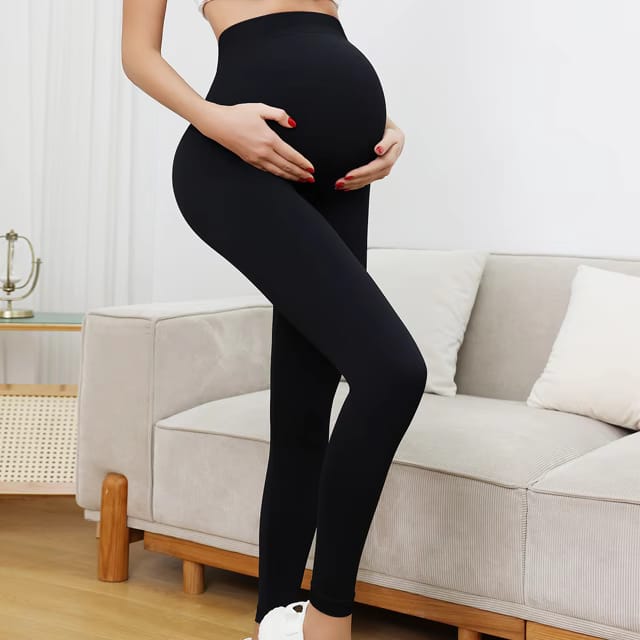
Maternity Leggings
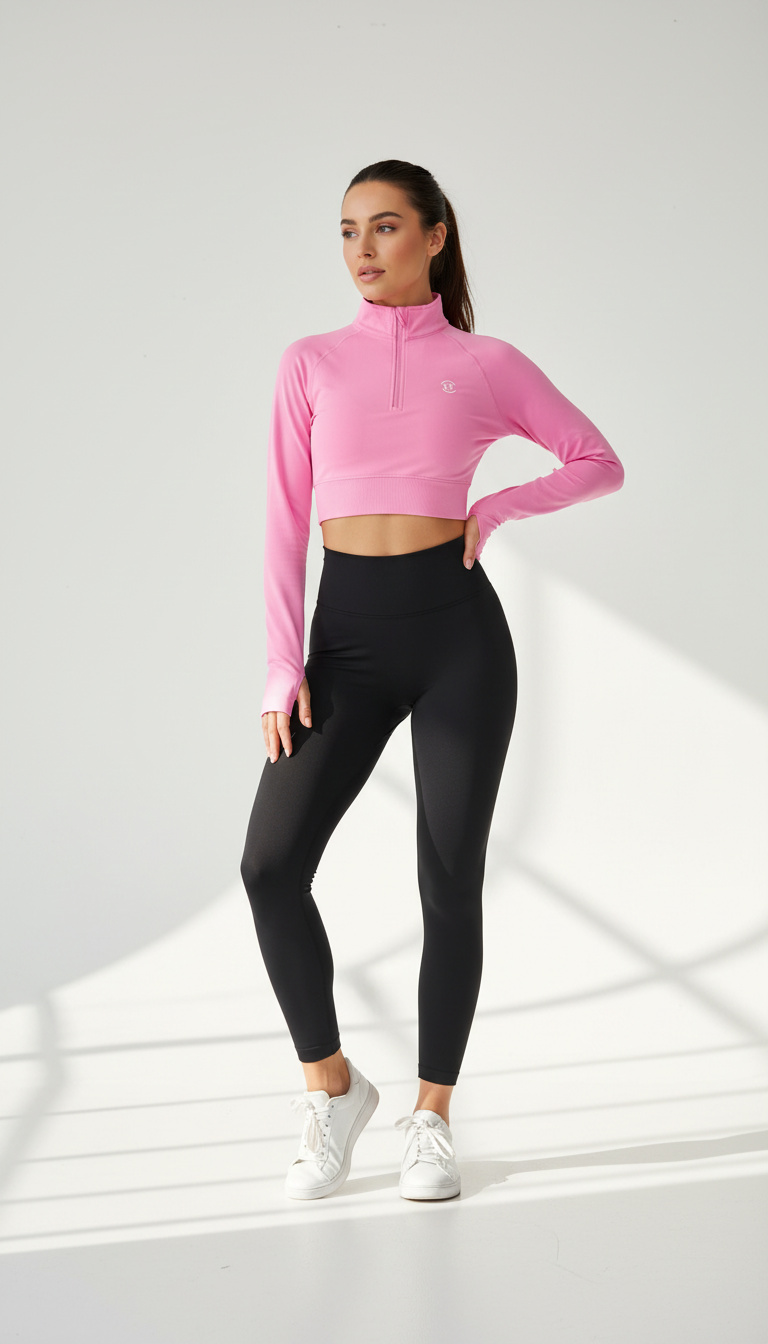
Our Leggings Collection
Explore our diverse range of leggings, crafted for style, comfort, and performance. From high-waisted to seamless designs, find the perfect pair to elevate your workout or complete your everyday look.
Why Choose Our Leggings?
- Premium Fabrics: We use breathable, moisture-wicking materials.
- Versatile Styles: A variety of colors and patterns to suit your taste.
- Unmatched Comfort: Designed for a second-skin feel and maximum flexibility.
Whether you're into yoga, running, or gym workouts, our leggings provide the support and style you need.
View in our ShopOur Shorts Collection
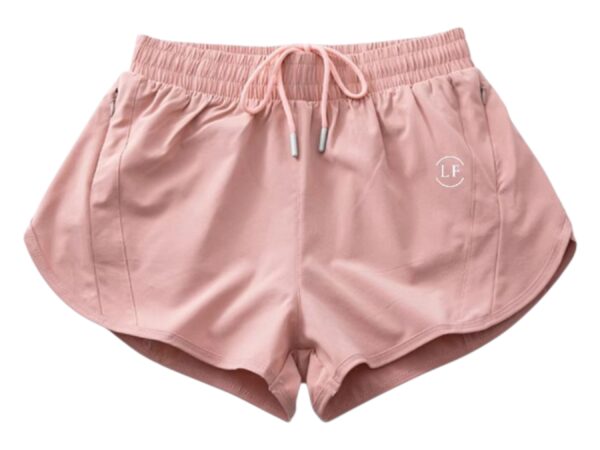
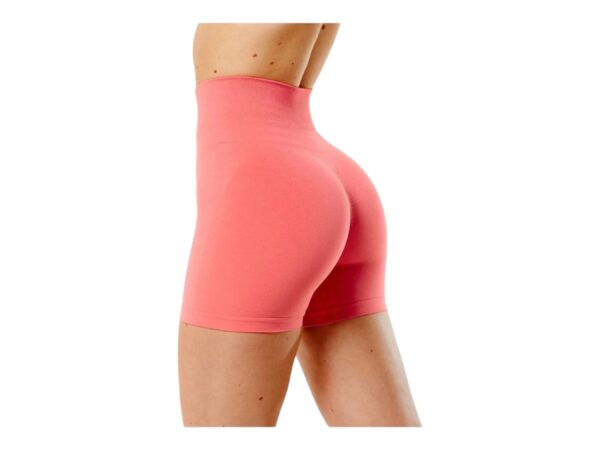
Discover our selection of fitness shorts, perfect for warm weather workouts or intense training sessions. We offer various lengths and styles to ensure you find your ideal fit for maximum comfort and mobility.
View in our ShopOur Oversized T-Shirts
Comfort meets effortless style in our oversized t-shirt collection. Made from soft, breathable fabrics, these tees are perfect for a relaxed gym look, comfortable loungewear, or casual streetwear.
View in our ShopOur T-Shirts Collection
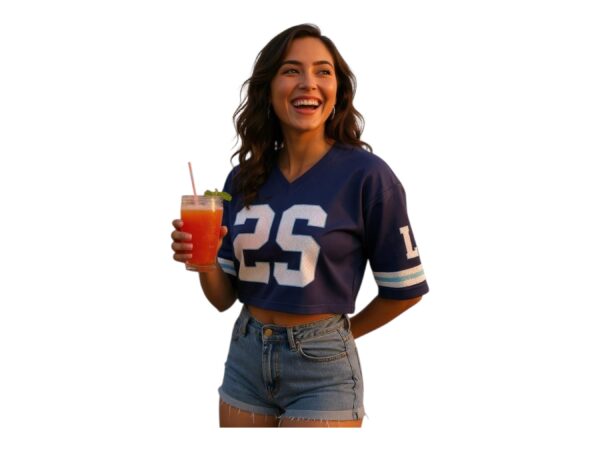
Discover our classic t-shirts, the perfect wardrobe staple. Made from high-quality cotton, these tees offer a comfortable fit for everyday wear, from the gym to the street.
Why You'll Love Them:
- Soft & Breathable: Crafted for all-day comfort.
- Classic Fit: A timeless silhouette that suits any style.
- Durable Quality: Made to last wash after wash.
Our Tops Collection
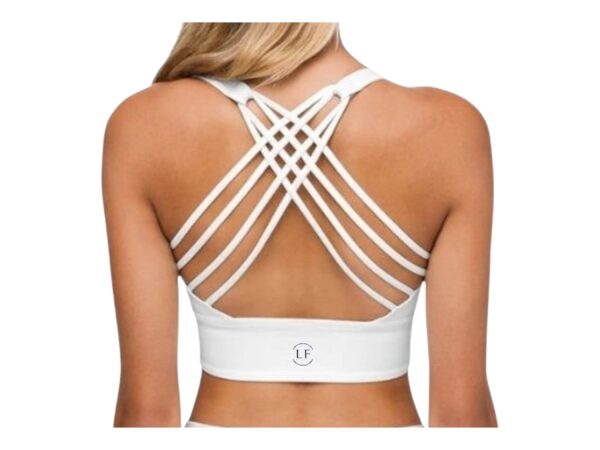
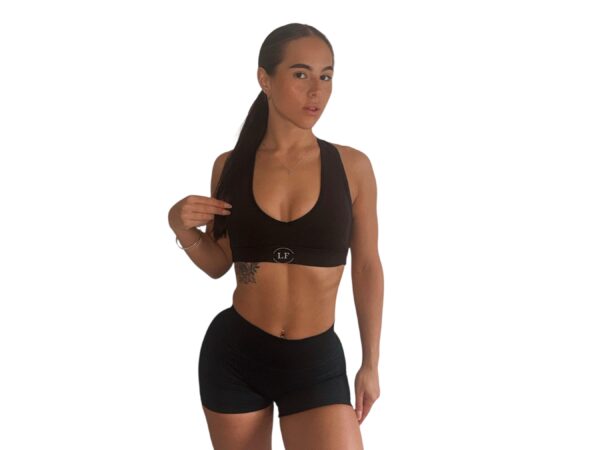
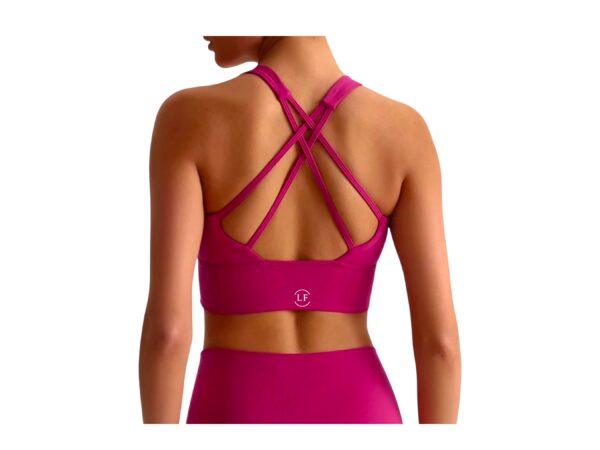
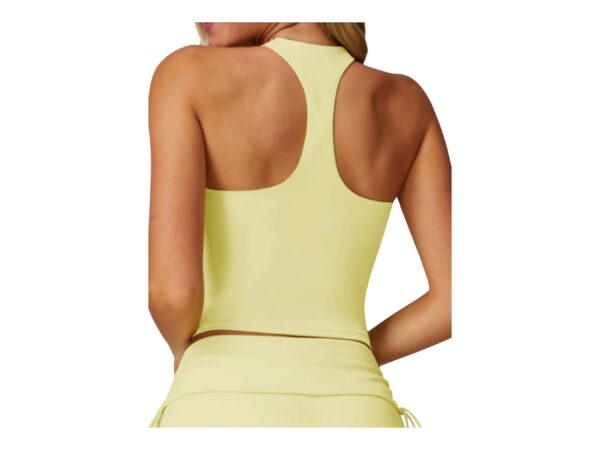
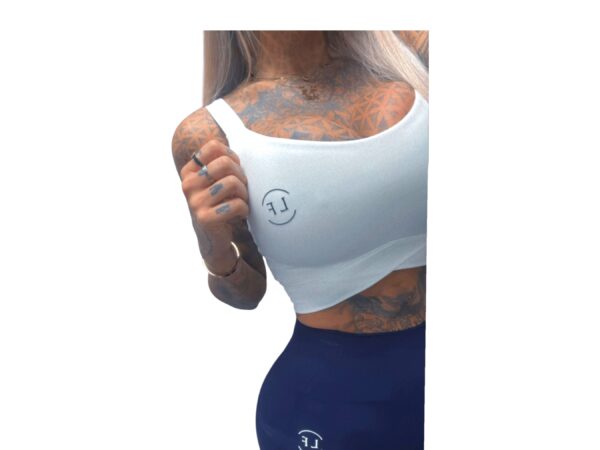
From supportive sports bras to stylish vests and crop tops, our collection is designed for performance and style. Find the perfect top to match your workout intensity and aesthetic.
Key Features:
- Breathable Materials: Stay cool and dry with our moisture-wicking fabrics.
- Supportive Fits: A range of support levels for any activity.
- Fashion-Forward Designs: Look good while you work out with our trendy styles and colours.
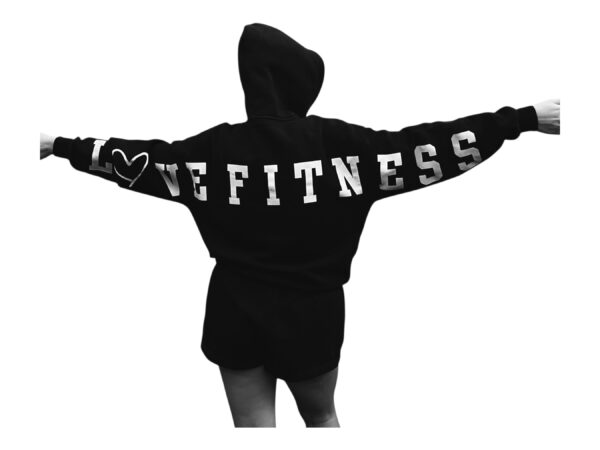
Our Hoodies Collection
Stay cozy and stylish with our range of premium hoodies. Ideal for post-workout warmth, chilly evenings, or simply relaxing in comfort. Find your new favorite go-to hoodie here.
View in our ShopOur Gym Sets
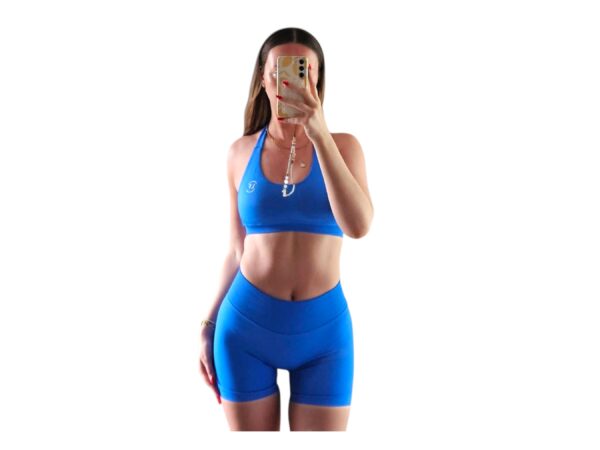
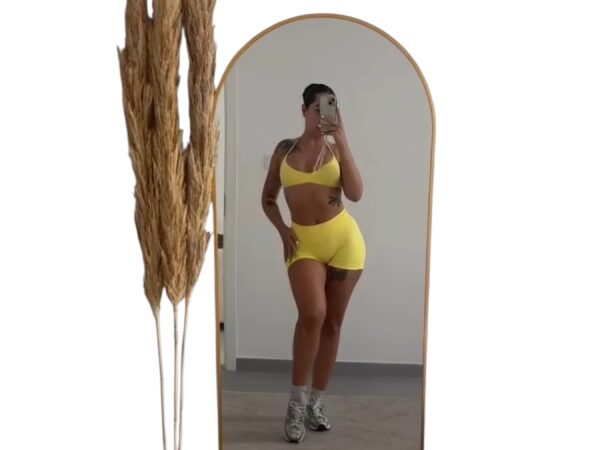
Achieve a coordinated and stylish workout look with our curated gym sets. Combining performance fabrics with flattering designs, these sets are made to make you look and feel great.
View in our ShopOur Accessories
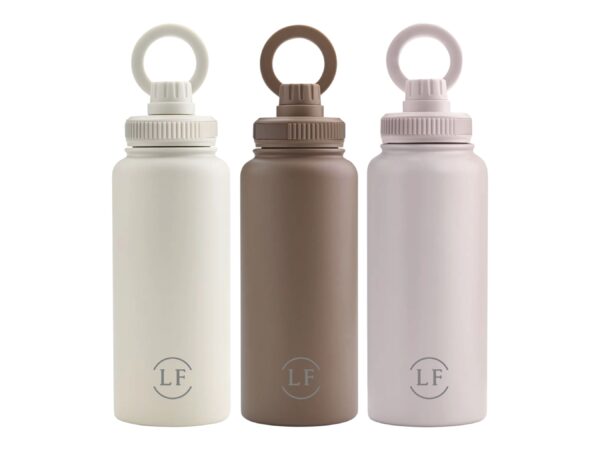
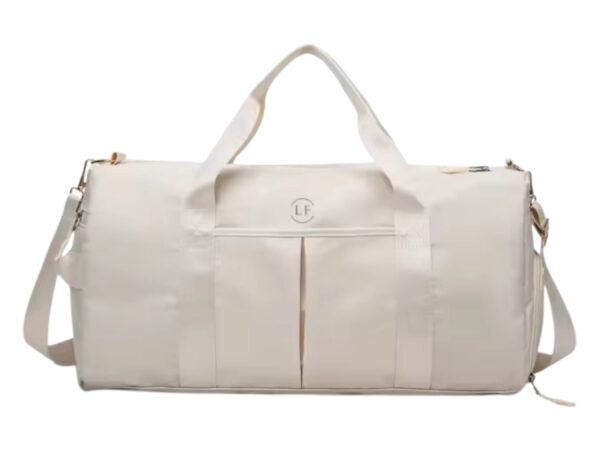
Complete your fitness gear with our essential accessories. From durable water bottles and supportive socks to stylish gym bags and hats, find everything you need to enhance your workout experience.
View in our ShopOur Maternity Leggings Collection
Supportive and comfortable, our maternity leggings are designed to grow with you. Perfect for active mums-to-be, offering gentle support and flexibility throughout pregnancy.
Key Features:
- Over-the-Bump Support: Soft, stretchable panel to comfortably accommodate a growing belly.
- Breathable Fabric: Keeps you cool and comfortable during light exercise or daily wear.
- Versatile Design: Ideal for yoga, walks, lounging, or pairing with your favourite maternity tops.
Stay active and feel great with leggings that adapt to your changing body.
View in our Shop